
Every Body Has A Map: The Sensory Exercise Worth Doing, Together Or Alone
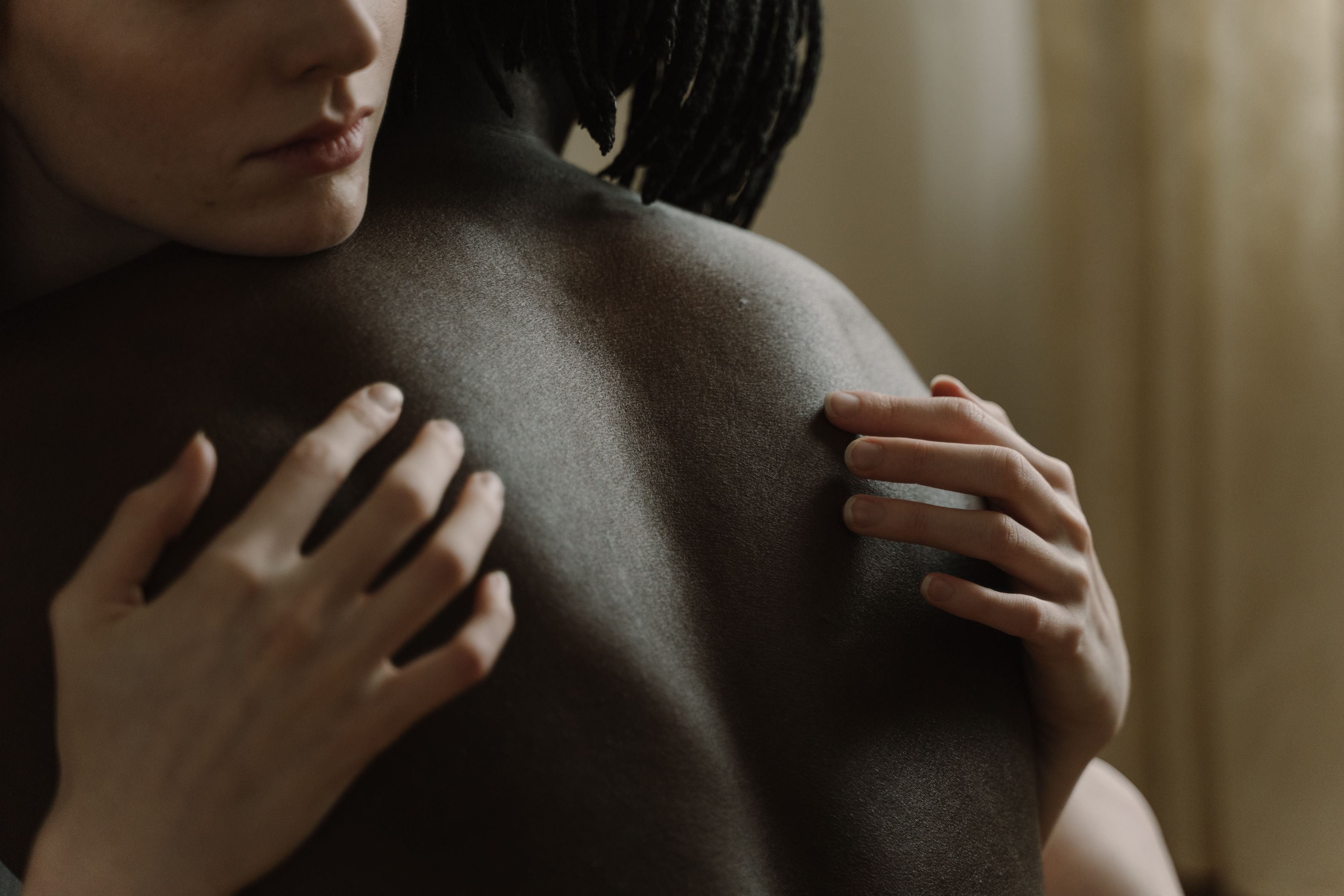
Every body has a map. The zones that light up fast, the ones that need patience, the ticklish traps, the quiet spots that stay quiet no matter what you do. Most couples never sit down and learn theirs. This piece is the exercise that draws the map out, a structured 45 minutes you can do together or alone. It is not another set of techniques. It is what you learn when you use them slowly enough.
Why No Two Maps Are The Same
Nerve density on human skin is fairly consistent between people. Fingertips have more receptors than calves. Lips have more than shoulders. That much is universal. What is not universal is which of those areas actually feel pleasurable, and that is where the map goes personal. A collarbone that does nothing for one person lights up for another. A scalp massage that leaves one partner half-asleep sends another into full arousal. Prior experience, current mood, temperature, breath rate, all of it shapes the response. Sensitivity is not an anatomical fact. It is a personal one, and the only way to know a body's actual map is to draw it.
Every Body Has Four Kinds Of Zones
The map you draw will always show four different regions, on any body. Knowing which is which changes everything about what to do next.
The obvious ones. Areas that respond quickly to almost any touch, the mouth, the neck, the nipples, the inner thigh, the genitals. Universal starting points, though even here the intensity varies wildly from person to person.
The slow bloomers. Most of the body sits here. Areas that feel neutral at first and light up under sustained, patient attention. The lower back, the abdomen, the inner arm, the back of the knees. This is where slow touch actually earns its reputation. Rush these zones and you get nothing. Stay in them and they open.
The ticklish traps. Neurologically defensive responses, not pleasure signals. Trying to arouse a ticklish spot usually makes it worse, because the nervous system reads the touch as a threat and pulls away. Different handling required, firmer pressure, slower speed, or simply skipping the area entirely.
The quiet spots. Areas that stay quiet no matter what you do. Not failures, just information. Every body has some. Old scar tissue, an area with less nerve supply, or sometimes just personal geography. Knowing where they are is as useful as knowing where the loud ones are, because it stops both partners from wasting time confused about why nothing is happening.
The Exercise
The mapping session runs in four phases, in order. Both partners go through the full sequence, then swap.
Phase One
The Setup
45 minutes minimum, warm room, dim light, phones in another room. One oil warmed between the palms. What is different from a magasm here is intention. You are not trying to arouse anyone. You are running an exercise. That framing takes the pressure off both partners and produces better information.
Phase Two
The Two-Word Language
The receiving partner uses two words only. Yes means keep going, or more of this. Next means move on, this is not landing. Nothing else. No explanations mid-touch, no performing. The vocabulary is tiny on purpose. It keeps the exercise flowing and the answers honest.
Phase Three
The Sweep
The giving partner works through the body region by region. Face, scalp, neck, shoulders, arms, hands, chest, abdomen, back, hips, buttocks, thighs, calves, feet. Around 30 to 60 seconds per region. Try two or three touch types on each, a slow stroke, a firmer press, a soft breath, before moving on. Take mental notes.
Phase Four
The Reveal
After both maps have been drawn, sit up and talk. Not about performance, about geography. Where were the surprises? Which zones lit up that neither of you knew about? Which quiet spots stayed quiet? This is the map, spoken. Write it down if you want. Do it again a year from now.
The one thing that ruins the whole exercise
Do not perform. The single fastest way to waste a sensory mapping session is to say yes out of politeness. This is not a compliment exercise. An honest next is worth more than a hundred polite yeses. Your partner cannot map what you are only pretending to enjoy, and you cannot get the information you actually need if the answers are not real. Politeness is what has kept both of you from having this map for years already.
The Solo Version
The same exercise works alone. Some people prefer to do it alone first, because there is no audience and no pressure. The method is identical, minus the feedback vocabulary. You sweep through your own body slowly, region by region, using two or three touch types on each. You notice, honestly, what lights up and what stays quiet. Most adults can point to a partner's obvious zones from memory but have only the vaguest sense of their own. An hour of slow attention to yourself starts changing that. And if you have or want a partner, mapping yourself first means you arrive at the couples version with real information about what your own body wants.
India Already Drew A Map Like This
Ancient Indian medicine mapped the body in extraordinary detail, thousands of years before modern anatomy. The Sushruta Samhita, composed around the sixth century BCE, identified 107 specific points on the human body called marma, treating them as places where consciousness and physical body met. The exact locations are still taught in Ayurvedic practice today. That map was collective, the same 107 points for every body. The sensory map you draw with a partner or with yourself is personal, different for every body. The premise underneath both is the same. The body has geography. It rewards being learned.
Every body has a map. It stays private only if no one ever draws it.
A sensory map is not a document you finish. Bodies change. Illness changes them, age changes them, pregnancy changes them, long dry spells change them, and so do good ones. What lit up two years ago may sit quiet now. What was dead may have come to life. The exercise is worth returning to yearly, or whenever some part of life shifts. Each drawing of the map will be more accurate than the last. Not because the body is finally sitting still, but because you are finally learning to see it as it moves.
Read Next
The Presence Problem
How Touch Rebuilds Intimacy And Connection →
The Presence Problem
The Four Types Of Intimacy →
The Presence Problem
How To Celebrate Intimacy At Home →
The Presence Problem
How To Make Sex Feel More Romantic →
Join the Pillowta community
